


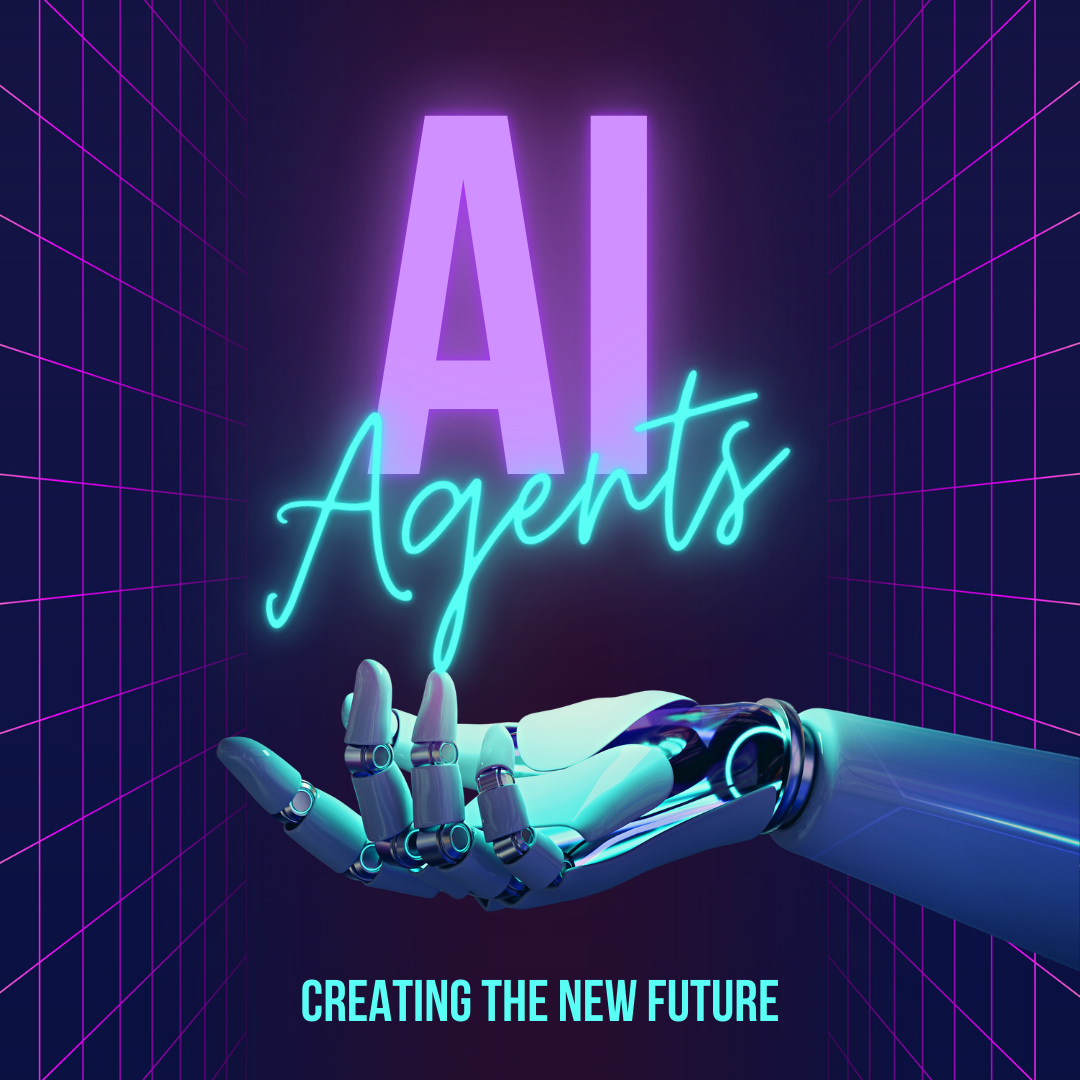
Do you know a polished humanoid robot version – The AI Agents – is thriving today? According to experts, AI agents can now perform the jobs of 100 employees at less than 1% of the cost.
AI Agents
A Brief on Autonomous AI Agents
With AI models like OpenAI’s GPT-4o and Google DeepMind’s Project Astra, autonomous AI is stepping into new territories. Enter Lyzr, which has taken it further by developing highly customisable AI agents that serve specific business needs. Want an agent to manage your marketing? Done. Need one to handle PR? No problem.
From content creation to web design, these agents can now handle everything, making them accessible to a wider audience than ever before. Your business can run 24/7, and it will always be future-ready.
Also Read: Cursor: The AI Code Editor Freezes? Try These Fixes
How Do Autonomous AI Agents Work?
Autonomous AI agents function through a combination of machine learning, natural language processing, and decision-making frameworks. Unlike traditional AI models that rely on human input for every task, these agents operate independently by:
- Observing: They analyse data from their environment, whether it’s customer interactions, financial trends, or operational workflows.
- Planning: They generate strategies to accomplish specific objectives based on the data they process.
- Executing: They take action—whether it’s responding to queries, automating tasks, or making business recommendations.
- Learning: Over time, they improve their responses and decisions by analysing past actions and outcomes.
These processes make AI agents valuable in automating complex business operations while requiring minimal human intervention.
Examples of What Autonomous AI Agents Can Do
AI agents are already handling high-level business tasks that were previously performed by multiple employees. Some real-world applications include:
- Customer Support: AI-powered chatbots like OpenAI’s GPT-4o and Google’s Bard handle customer queries, provide solutions, and even escalate issues when necessary.
- Marketing Automation: Agents can analyse audience behaviour, schedule content, and optimise marketing campaigns in real-time.
- Financial Management: They can generate invoices, track expenses, and even suggest budget adjustments based on spending trends.
- Supply Chain Management: Agents predict demand, optimise inventory, and ensure timely restocking without human intervention.
- Software Development: AI can write, test, and debug code autonomously, streamlining software development cycles.
By integrating AI agents, businesses can achieve efficiency, accuracy, and scalability like never before.
Read Also: This GPT Tool Will End Your Search for the Best AI Fit
Types of Autonomous AI Agents
There are various types of AI agents, each specialising in different tasks and levels of autonomy.
-
Reactive Agents
- These agents respond to input without memory or learning.
- Example: A chess AI that makes decisions based on the current board state.
-
Limited Memory Agents
- They use past interactions to inform decisions but don’t retain long-term data.
- Example: Chatbots that remember recent queries but forget them after a session ends.
-
Theory of Mind Agents
- These AI models understand human emotions and intend to improve interactions.
- Example: AI virtual assistants that tailor responses based on user mood and preferences.
-
Self-Aware Agents
- Advanced AI that can analyse its own decision-making process.
- Example: AI research labs experimenting with self-improving models.
Understand more about it from the video below:
What Are the Benefits of Autonomous AI Agents?
Here’s where it gets exciting—these AI agents can act like the CMOs and CROs of your company! They work directly under the CEOs, managing tasks like scheduling meetings, sending out cold emails, and generating real-time reports.
Oh, did I mention that they also work around the clock? That’s right, 24/7 operations mean your business never sleeps. Whether you need insightful data analysis or customer-friendly services, these agents have your back. Lyzr’s AI agents, for instance, are equipped with AgentMesh technology that allows them to communicate with each other, making their tasks more seamless and efficient. Even most of the brands are using AI tools to make themselves visible. Know how the new Release of Open AI Models is automating content.

What Are the Challenges?
Now, the real question: Can we completely rely on these agents? The answer is—almost. While they offer fantastic benefits, there are still challenges like security concerns. You’re handing over sensitive business information, so robust safeguards are a must. Fortunately, platforms like Lyzr provide GDPR-compliant and (System and Organisation Controls 2) SOC2-secured services.
And what about the impact on jobs? That debate is ongoing. Some fear mass unemployment, but these can actually complement human roles rather than replace them. Automation may minimise human intervention, but a complete absence of human supervision is far from reality.
A Future with Autonomous AI
If you’re wondering whether we’re headed toward an AI-dominated future, well, you’re not alone. By 2050, we may see smart homes and cities powered by AI tools integrated with the Internet of Things (IoT). But why wait for the future when you can experience it now? With a simple demo from Lyzr, you can get a sneak peek into how AI tools can transform your business today.
Practical Examples of Autonomous AI Tools in Action
Many companies are already leveraging AI tools to optimise their business processes. Here are some examples:
1. Amazon’s AI-Powered Warehouses: Robots autonomously manage inventory, track shipments, and optimise storage layouts.
2. Tesla’s Autonomous Vehicles: AI agents process real-time road data, predict driver behaviours, and improve driving safety.
3. Netflix’s Recommendation System: AI analyses user preferences to suggest content tailored to individual tastes.
4. Lyzr’s AI Agents for Businesses: They handle marketing, sales, and customer support through smart automation.
These examples show how AI agents aren’t just theoretical—they’re transforming industries right now.
Read More: Top 5 Free AI Tools for PPT: Bring Your Ideas to Life
How to Implement Autonomous AI Agents in Your Business
Integrating AI agents into your business doesn’t require an extensive tech background. Follow these steps:
1. Identify Key Business Areas
Start by analysing repetitive tasks that consume time and resources, such as customer service, data entry, or marketing.
2. Choose the Right AI
Depending on your business needs, select an AI agent that specialises in your field. For example:
- Marketing Automation: HubSpot AI
- Customer Support: Zendesk AI Chatbots
- Financial Analysis: Bloomberg Terminal AI
3. Implement AI Agent Tools
Use platforms like OpenAI’s GPT-4o, Lyzr AI, or Google DeepMind’s Project Astra to automate processes. Many of these tools offer API integrations for seamless adoption.
4. Train & Customise AI Tools
Fine-tune AI models with company-specific data to ensure accurate and relevant outputs. The more data they process, the better they perform.
5. Monitor & Optimise Performance
Regularly review AI-generated insights and tweak algorithms to improve accuracy and efficiency. AI agents should complement human roles, not replace them entirely.
But if you are a small business owner, can you expect the same results from the automated AI tools? Check what your peers say:
Are small businesses using agents (AI) for their businesses?
byu/itsthemegh insmallbusiness
Conclusion
Autonomous AI agents are undoubtedly shaping the future. Yes, there are challenges, but the opportunities are endless. You could choose to hold off, but do you really want your competitors to have a head start? Let these agents take your business to new heights because the future waits for no one.


Comments (0)